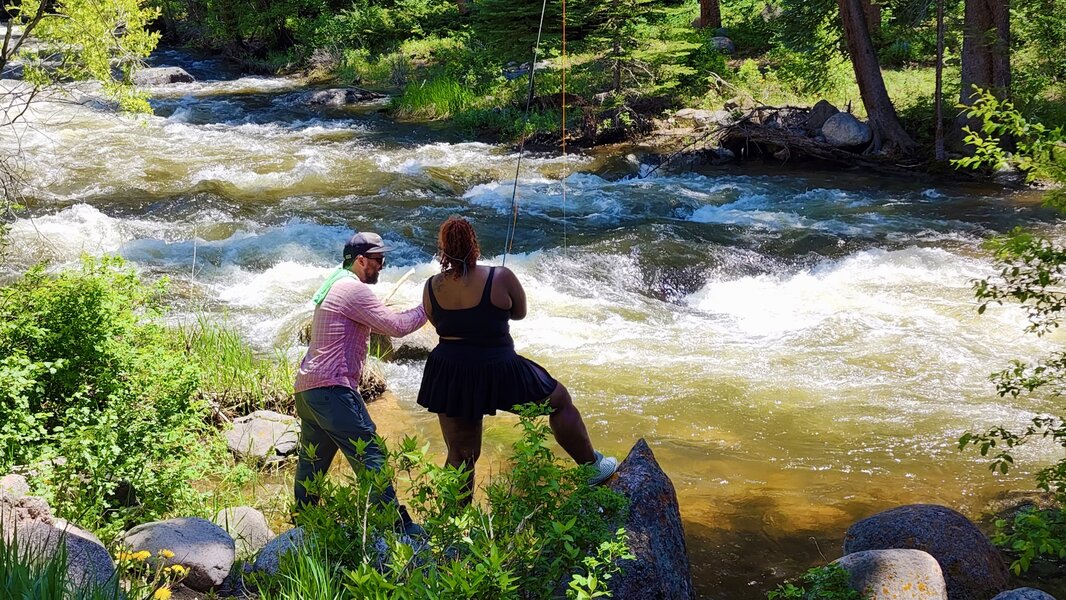
In recent years, the conversation around outdoor recreation has shifted towards inclusivity and equal access. Historically, public lands and outdoor spaces have often been dominated by specific groups, leaving marginalized communities feeling excluded from enjoying nature's benefits.
Many advocates argue that outdoor spaces are a fundamental right, not a privilege reserved for a select few. Initiatives are emerging across the country to challenge existing barriers, whether they are physical, social, or economic, that prevent diverse populations from accessing parks, trails, and other outdoor venues.
One significant movement is the push for equitable land management policies. These policies aim to ensure that public lands are maintained and developed in ways that serve the needs of all community members, including underserved and marginalized groups. This includes creating more inclusive programming, improving transportation access, and designing facilities that accommodate diverse users.
Community-led efforts are also playing a vital role. Local organizations and activists are working to raise awareness about the importance of outdoor inclusivity. They organize events, advocate for policy changes, and collaborate with government agencies to promote equitable access.
Furthermore, educational campaigns highlight the health and social benefits of outdoor activities for everyone. By emphasizing that outdoor recreation can foster community bonding, mental health, and physical well-being, these initiatives aim to break down stereotypes and encourage broader participation.
Despite these positive developments, challenges remain. Funding disparities, bureaucratic hurdles, and cultural stigmas continue to hinder progress. Addressing these issues requires sustained effort, policy innovation, and community engagement.
Ultimately, the goal is to create outdoor spaces where everyone feels welcome and empowered to enjoy nature. Recognizing that the outdoors belong to all of us is a crucial step toward building more inclusive, vibrant communities that value diversity and shared experiences.